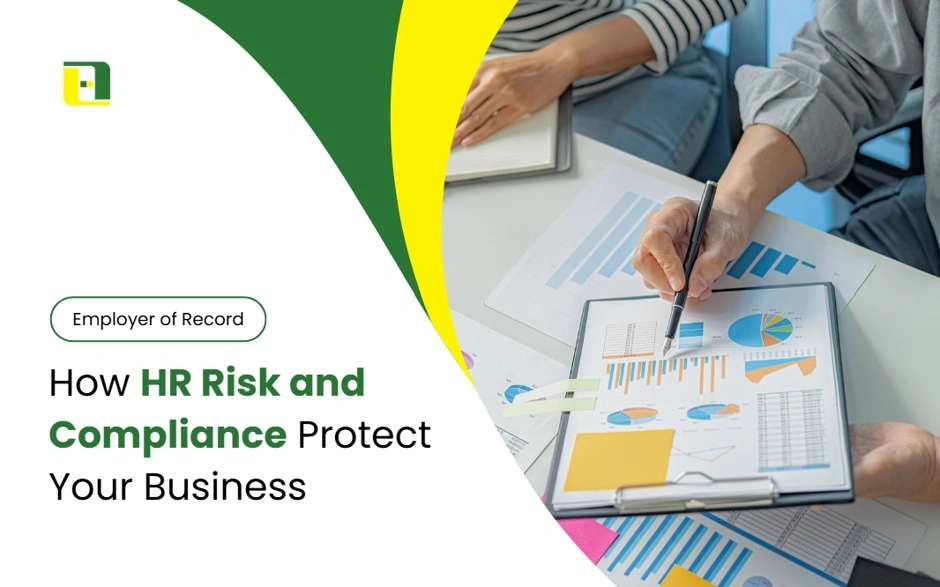
HR risk and compliance play a vital role in helping businesses manage their workforce while staying aligned with employment laws and regulatory requirements.
As businesses grow, managing HR compliance becomes increasingly complex. Changes in labor regulations, payroll requirements, employee classification, workplace policies, and data privacy standards require organizations to stay informed and adapt quickly.
This article explains the importance of HR risk and compliance, the common risks businesses face, and the best practices for building a compliant HR framework that supports long-term business success.
Understanding HR Risk and Compliance
HR risk refers to any issue related to workforce management that could negatively affect a business financially, legally, or operationally. These risks may arise from payroll errors, employment disputes, regulatory violations, or poor HR practices.
HR compliance, on the other hand, involves ensuring that a company’s employment practices align with applicable labor laws, tax regulations, industry standards, and internal policies.
When combined, HR risk and compliance help businesses protect both their employees and the organization itself by creating a structured and legally compliant workplace.
Why HR Risk and Compliance Matter for Businesses
Every stage of the employee lifecycle carries compliance responsibilities, from recruitment and onboarding to payroll, performance management, and offboarding. By proactively managing HR risks, businesses can:
- Reduce exposure to legal claims and regulatory penalties.
- Improve operational consistency across departments.
- Build trust among employees through fair and transparent HR practices.
- Create a stronger foundation for business expansion.
- Protect sensitive employee information from misuse.
Ultimately, effective HR risk and compliance allow organizations to focus on growth instead of reacting to preventable compliance issues.
Common HR Risks Companies Face
Businesses encounter various HR-related risks throughout their operations. While some risks stem from changing regulations, others arise from inefficient internal processes or outdated HR practices.
1. Employee Misclassification
One of the most common compliance issues is incorrectly classifying workers as employees, contractors, freelancers, or temporary staff. Misclassification can affect tax obligations, employee benefits, insurance coverage, and statutory contributions.
If regulators determine that a worker has been misclassified, companies may face back payments, penalties, and legal disputes.
2. Payroll and Compensation Errors
Payroll mistakes may seem minor, but they can quickly become significant compliance risks. Incorrect salary calculations, tax deductions, overtime payments, bonuses, or statutory contributions can create financial liabilities and reduce employee confidence.
Accurate payroll processing is essential not only for employee satisfaction but also for maintaining compliance with local tax and labor regulations.
3. Non-Compliance with Labor Laws
Employment laws continue to evolve, covering areas such as minimum wage, working hours, leave entitlements, employee benefits, workplace safety, and termination procedures.
Companies that fail to comply with these regulations risk government investigations, employee lawsuits, financial penalties, and reputational damage. For organizations operating across multiple countries, keeping up with local labor laws becomes even more challenging.
4. Workplace Disputes
Poorly documented HR processes or inconsistent workplace policies often contribute to employee grievances and disputes. Issues involving discrimination, harassment, unfair dismissal, or inconsistent disciplinary actions can escalate into costly legal proceedings.
Having clear policies and documented procedures helps organizations resolve workplace concerns fairly while reducing legal exposure.
5. Data Privacy
HR departments manage a significant amount of sensitive employee information, including personal identification, payroll records, health information, and employment history.
Failure to properly protect this data may result in privacy breaches, regulatory penalties, and loss of employee trust. Strong data governance and secure HR systems play an important role in compliance with data protection regulations.
How HR Compliance Protects Your Business
Effective HR compliance goes beyond avoiding legal issues. It strengthens organizational processes, supports business continuity, and creates a more stable work environment.
1. Reducing Legal and Financial Exposure
Compliance programs help businesses identify potential risks before they become legal problems. Proper employment contracts, accurate payroll records, and consistent documentation reduce the likelihood of audits, penalties, and employee claims.
By addressing compliance proactively, organizations can avoid unnecessary financial losses and protect their long-term stability.
2. Strengthening Workplace Policies
Clear HR policies provide employees with consistent expectations regarding workplace conduct, leave, performance management, disciplinary procedures, and employee benefits.
Well-documented policies also help managers make fair decisions while reducing inconsistencies across departments.
3. Improving Employee Trust and Retention
Employees are more likely to remain with organizations that demonstrate transparency, fairness, and compliance with employment regulations. Accurate payroll, clear communication, and consistent HR practices contribute to a positive employee experience.
Strong compliance practices also reinforce the organization’s commitment to ethical business operations.
4. Supporting Business Growth
As companies expand into new markets or increase their workforce, HR compliance becomes increasingly complex. Establishing standardized HR processes early allows businesses to scale more efficiently while minimizing compliance risks.
Organizations with mature compliance frameworks can enter new markets with greater confidence and reduced operational uncertainty.
Best Practices for Managing HR Risk and Compliance
Building a strong compliance program requires continuous improvement rather than one-time implementation. Businesses should regularly evaluate their HR processes to ensure they remain aligned with changing regulations.
1. Conduct Regular HR Audits
Periodic HR audits help identify compliance gaps before they develop into larger issues. Reviewing payroll records, employee classifications, contracts, workplace policies, and HR documentation allows businesses to correct potential risks early.
2. Keep Employment Documents Up to Date
Employment contracts, employee handbooks, policy documents, and personnel records should be reviewed regularly to ensure they reflect current legal requirements and organizational practices.
Maintaining accurate documentation also simplifies internal audits and regulatory inspections.
3. Stay Informed About Regulatory Changes
Employment regulations frequently change, particularly in areas such as payroll taxes, employee benefits, workplace safety, and labor standards.
Businesses should continuously monitor regulatory updates or work with experienced compliance professionals to ensure ongoing compliance.
4. Implement Clear HR Policies and Training
Even the best policies are ineffective if employees and managers do not understand them. Regular compliance training helps ensure that everyone follows consistent HR procedures and understands their responsibilities.
Training also reinforces ethical workplace behavior and reduces the likelihood of preventable compliance violations.
Build a Stronger Compliance Strategy with Abhitech
As your business grows, staying compliant becomes increasingly challenging. Employment regulations, payroll requirements, and HR administration all require careful management to reduce risk and keep operations running smoothly.
With Abhitech’s Employer of Record (EOR) solution, you can simplify workforce management through integrated payroll, HR administration, employment contracts, and local compliance support across different countries.
Ready to build a more compliant workforce? Contact us to learn how Abhitech can help streamline your HR operations, reduce compliance risks, and support your business as it grows locally and globally.